


Concrete Mix Designs: Types, Ratios & Best Uses Explained
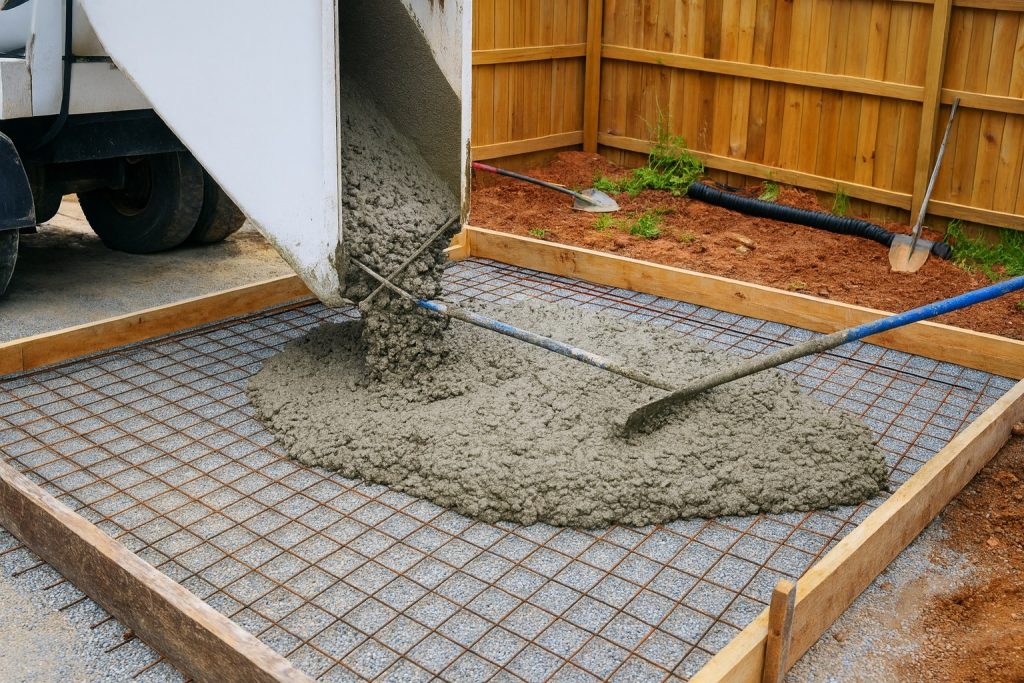
Starting a project like a driveway, patio, workshop floor, or garden path often seems straightforward until you begin choosing the actual concrete. Suddenly, terms like concrete mix designs, mix ratios, strength grades, slump, and cement types start showing up everywhere. One supplier recommends a standard ready-mix, another insists on a 1:2:4 ratio, and a friend warns you not to confuse cement with concrete at all. In a moment, a simple plan turns into a confusing mix of numbers, codes, and opinions.
For many homeowners and small contractors, this is when the real questions begin. What’s the difference between cement and concrete? Which mix ratio is right for long-lasting slabs or smooth finishes? Why do some concrete pavers stay solid for years while others crack or crumble? With so many choices and technical terms, it’s easy to feel overwhelmed.
The good news is that understanding concrete doesn’t require an engineering degree. When you know what each component does, how concrete mix ratios affect strength, and which mixes work best for foundations, pavers, or decorative finishes, every decision becomes clearer. Choosing materials, talking to suppliers, and getting reliable results suddenly feels simple even for first-time builders.
Cement vs concrete: clear up the basics
Before we dive into concrete mix designs, we need one simple truth. Cement and concrete are not the same thing. Cement is the fine grey powder that acts as a binder. Concrete is the full mix: cement, water, sand, stone, and tiny pockets of air. The cement vs concrete confusion creates real problems. If you say, “I need cement for my driveway, a worker might think you only want the powder. In reality, you need a concrete mix ratio that fits driveways, not loose cement. So, are concrete and cement the same thing? No. Cement is one ingredient. Concrete is the finished building material holding up your driveway, steps, and floors. When you use the right words, you get better advice, more accurate prices, and mix designs that match your project instead of a random guess.
What actually goes into a concrete mix
Every concrete mix ratio is just a recipe. You are deciding how much cement, water, sand, and coarse aggregate (gravel or crushed stone) you want in the batch. A common rule of thumb says a typical mix often ends up close to:
- 10 percent cement
- 20 percent water and air
- 30 percent sand
- 40 percent stone
These numbers move a bit, but the idea stays the same. Cement glues everything together. Sand fills gaps between stones. Stone carries most of the load. Water activates cement and controls how stiff or fluid the mix feels.
When people talk about a concrete mix ratio by volume, they usually think in buckets, not lab scales. A “1 2 4” pattern means one bucket of cement, two buckets of sand, and four buckets of stone. You are still creating a structured mix; you are just using volume instead of weight to measure. For small home projects and simple slabs, this approach can work well as long as you keep your measurements consistent and mix each batch thoroughly.
On bigger jobs, plants and engineers use more detailed concrete mix designs. They still juggle the same ingredients. They just tune the quantities for strength, local climate, and durability.
Water–cement ratio: the quiet number that controls strength
You can choose a great concrete mix ratio and still end up with a weak slab if you add too much water. The water cement ratio (often written w/c) describes how much water you use compared to cement.
- More water makes the mix easy to pour and spread.
- More water also leaves more space as it dries, which weakens the concrete.
- Less water usually gives higher strength and lower cracking, but the mix feels stiffer.
A good concrete mix is all about balance. It should be easy for the crew to place and finish, without turning into a runny soup. When you are mixing at home, it can be tempting to keep adding water until the surface looks smooth. A better way is to follow the concrete mix ratio printed on the bag, add water slowly, and give the batch more mixing time instead of pouring in extra water. This helps the slab stay strong, durable, and less likely to crack later.
When in doubt, remember this: you can always work a slightly stiff mix with more effort. You cannot pull water back out once you have poured it in.
Read More: Concrete Guide: Types, Composition,Properties & Uses
Common concrete mix ratios for home projects
For many home and small business projects, you do not need complex software. You just need a sensible concrete mix ratio that fits how the surface will be used.
The 1 2 4 mix
The 1 2 4 mix design of concrete is one of the most common patterns people still use. It means:
- 1 part cement
- 2 parts sand
4 parts aggregate
Used with a sound base and decent thickness, this kind of concrete mix can work for light driveways, garden paths, small sheds, and workshop floors. It fits the idea of a straightforward mix by volume that most people can handle with simple tools.
Slightly richer mixes
Some projects need a tighter, denser surface or a bit more strength. In those cases, suppliers may suggest a richer mix such as 1 : 1.5 : 3. That still follows the same logic as other concrete mix designs. You are just giving the mix more binder compared to the sand and stone.
What is the mix ratio for homemade concrete?
If you ask what is the mix ratio for homemade concrete, the honest answer is “it depends on what you are building.”
- For a simple path where only people walk, a leaner concrete mix ratio can work.
- For a pad that will hold a car or heavy bench, stick close to a 1 2 4 style pattern or follow a local supplier’s advice.
Whichever way you choose, measure carefully, keep your concrete mix ratio by volume consistent from batch to batch, and mix long enough that every shovel of material looks the same.
The 10/20/30/40 rule in plain language
You might hear people talk about the “10/20/30/40 rule” when they explain Concrete mix designs. This rule is just a memory trick. It reminds you that a typical mix often uses:
- 10 percent cement
- 20 percent water and air
- 30 percent sand
- 40 percent stone
You do not need to hit those numbers exactly, but the rule helps you picture what is inside the mix. It also shows why aggregate quality matters so much. Strong stone and clean sand can improve performance more than simply dumping in extra cement.
When you see a concrete mix ratio written on a bag or spec sheet, keep this picture in your head. You are not just buying powder. You are buying a blend of glue, fine material, and rock that must work together.
Getting a smooth surface: why the mix matters
Many people care most about how the finished slab looks underfoot. If you plan to polish, stain, or simply keep dust down, you will want the best concrete mix for a smooth finish that your budget and schedule allow.
A mix that gives a very smooth, polished surface usually has:
- Well graded sand and smaller aggregate, so the surface compacts tightly.
- A controlled water cement ratio to avoid weak paste on top.
- Enough cement to bind everything without making the mix brittle.
Even with the best concrete mix for a smooth finish, technique still matters. Do not start finishing while the bleeding water is sitting on the surface. Do not overwork the top layer with trowels. Respect curing. Cover the slab or use a curing compound so the surface does not dry out too fast and start to dust.
When you talk to a ready mix plant, tell them you want a flat interior floor, garage, or patio that will see real use. Ask which concrete mix designs in their range have given the smoothest results for similar projects.
Concrete pavers and large concrete pavers
Concrete pavers turn concrete into neat units that sit like tiles or bricks. Instead of pouring one large slab, you place individual pieces on a prepared base and lock them in with sand or another joint material. To make high quality units, producers use mixes that pack tightly into molds and cure under controlled conditions, with designs that focus on strength, density, and a smooth finish.
- A lower slump (stiffer mix) so edges stay sharp.
- Clean, graded aggregates for a strong body.
- Consistent color so patterns look even.
When you step up to large paving units, the stakes rise. Bigger pieces span more ground, carry different types of loads, and make even small cracks easier to see. Producers often use richer mixes and careful vibration so each unit stays dense and durable. If you are planning a modern patio, courtyard, or pool deck with a mix of poured slabs and concrete pavers, discuss the whole layout with your supplier so the chosen mixes keep the entire space balanced and solid.
Choosing the Right Concrete Stain and Finish
Decorative work adds another layer of choice. A concrete stain does not sit on top like thick paint. It reacts with the surface or soaks into pores, which means the base mix and finishing method matter a lot.
A good concrete mix design for staining aims for:
- A dense, even surface without dusty patches.
- Controlled curing to avoid wild color differences.
- Clean surface free of oil, curing membranes, or heavy sealers.
When you look at color charts or sample boards, remember they are only a guide. The final shade always depends on your actual concrete. Light grey slabs will display color differently than darker mixes, and some people even pour lighter concrete on purpose where they plan to use concrete stain later, to keep tones bright and clear. If you know in advance that you want a tinted patio, interior floor, or area around paving units, tell your supplier. Ask which concrete mix designs have given the most even results in local jobs. That one question can save you from surprises later.
How to talk to a supplier about your mix designs
Suppliers and ready mix concrete plants are used to working with both experienced contractors and first time builders. They can only help if you share enough detail. Instead of just asking for “strong concrete,” try this:
- Explain what you are building and where it sits.
- Share the thickness you plan for the slab or pavers.
- Mention if you will use concrete stain, tiles, or epoxy on top.
- Tell them if you want a very smooth floor or a rougher outdoor texture.
From there, ask what mix they recommend and why. Ask about the expected ratio and whether they design it by weight or by volume. You do not have to become an engineer. You only need enough understanding to ask simple questions and recognise when an answer makes sense. If you slip and repeat a basic question about the difference between cement and concrete, do not worry. Clearing up that confusion is simply part of learning how to talk about your project with confidence.
FAQs
It is a simple rule that says a typical mix often uses about 10 percent cement, 20 percent water and air, 30 percent sand, and 40 percent stone. The real numbers can change, but this rule helps you picture how much of each material sits inside the mix.
A good mix design matches strength, workability, and durability to how the slab or units will be used. It keeps water under control, uses clean aggregates, and follows local codes so your concrete lasts instead of failing early.
The 1 2 4 mix uses one part cement, two parts sand, and four parts aggregate measured by volume. Many people use it for basic slabs and paths when they have a sound base and moderate loads.
For many small projects, a 1 2 4 style concrete mix ratio by volume works well if you mix carefully and cure the slab. Always match the mix to the job and follow advice from your local supplier.
For slabs, posts, pavers, and most building work, you use concrete, which already includes cement, sand, stone, and water. Plain cement on its own is usually only used as part of mixes, mortars, or repair products, not as the full structural material.