


Precast Concrete That Delivers Strength, Reliability, and Value.
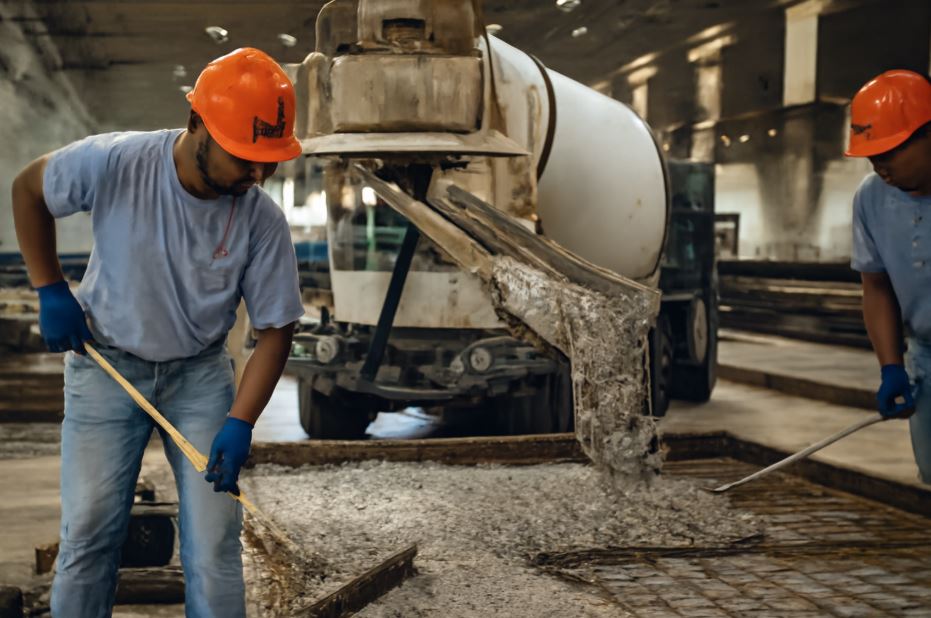
When it comes to construction, whether you’re building your dream home or taking on a commercial project, time, cost, and quality are always top priorities. No one wants to see a project delayed or have to redo work because of poor material choices. That’s where precast concrete comes in. It’s the quiet hero of modern construction, providing strength, speed, and savings.
Precast concrete isn’t just a material; it’s a solution to many of the challenges builders face. It’s durable, versatile, and highly efficient, ideal for projects of all sizes. Whether you’re a contractor, architect, or homeowner, knowing how precast concrete can transform your build is essential. Let’s explore what makes it such a great choice.
What Is Precast Concrete?
At its core, precast concrete is exactly what it sounds like: concrete that’s cast into shapes and sizes in a factory, rather than poured on-site. This method of construction offers multiple advantages, such as more consistent quality and quicker installation.
Think of it as getting your construction materials pre made and ready to go. The components are created in a controlled environment, ensuring better consistency and durability. Once made, these components are transported to the construction site, where they’re assembled, saving time and minimizing errors.
It’s used for everything from precast concrete slabs for floors and roofs, to precast concrete walls, stairs, and even steps. The range of applications makes it a go-to material for everything from homes to huge commercial projects.
Types of Precast Concrete Products
One of the greatest things about precast concrete is its versatility. Here are some of the most common types used in construction:
Precast Concrete Slabs
Precast concrete floor slabs are ideal for creating strong, stable surfaces in buildings. These slabs can handle heavy loads and are used for everything from floors to ceilings. They’re built to last, offering not only structural integrity but also significant cost savings due to the speed at which they can be installed.
Precast Concrete Walls
Precast concrete walls are an excellent choice for both structural and non-structural needs. They’re used for the exterior walls of buildings, providing superior insulation and fire resistance. Plus, they’re quicker to install than traditional methods, which reduces on site labor costs and time.
Precast Concrete Stairs
When you’re building multi-story buildings or need a quick, strong stairway, precast concrete stairs are the way to go. These pre-formed components are not only fast to install but they also offer durability that traditional stair-building methods can’t match.
Precast Concrete Steps
In residential construction, precast concrete steps are commonly used for front porches and entryways. These steps provide a sturdy, reliable solution, and with prefabrication, the installation process is streamlined, saving valuable time on site.
Read More : Indoor Concrete Floors
How Is Precast Concrete Made?
Creating precast concrete involves several steps that make sure it meets the highest standards. Here’s how it’s done:
- Design and Molding: First, the components are designed to meet specific project needs. Molds are prepared for the concrete to be poured into, with each piece being custom made to fit its purpose in the overall structure.
- Reinforcement: Steel bars or wire mesh are placed inside the molds to strengthen the concrete. These reinforcements ensure that the concrete can handle the stress and weight it will face throughout its lifespan.
- Pouring Concrete: Once the molds are ready and the reinforcement is in place, high-strength concrete is poured into the molds and compacted to eliminate air bubbles and ensure solid material.
- Curing: After pouring, the concrete is allowed to cure in a controlled environment, which ensures that it hardens properly and achieves maximum strength. This is one of the most important steps in the process to ensure longevity.
- Transportation and Installation: Once cured, the components are transported to the site and installed. Because these pieces are pre made, they fit perfectly, reducing the time spent on site and ensuring a smooth construction process.
Advantages of Precast Concrete
Precast concrete is more than just a construction material; it’s a smart investment. Here’s why:
- Durability: Precast concrete can withstand a lot. It’s resistant to weather, fire, and pests, which means the buildings and structures made with it will last for decades.
- Cost-Effectiveness: Since precast concrete components are made off-site and simply assembled on-site, it significantly cuts down on labor and construction time. Less time spent on the job site means lower overall costs.
- Quality Control: Factory-produced precast concrete is produced in a controlled environment, ensuring that each piece is of the highest quality. You get consistent, reliable materials every time.
- Design Flexibility: Precast concrete is available in many shapes, sizes, and finishes, allowing it to be adapted to a wide range of architectural styles. Whether you’re aiming for a smooth, modern appearance or a more rugged texture, it can be tailored to suit your vision..
- Faster Construction: Since the components are prepared in advance, construction moves more quickly, allowing you to stay on schedule and progress to the next phase of your project sooner.
Disadvantages of Precast Concrete
Like any building material, precast concrete has its drawbacks. Here are some of the challenges to keep in mind:
- Transportation Costs: Since precast concrete components are made in a factory and then transported to the site, there can be significant transportation costs, especially for large, heavy components.
- Limited Customization: Once the components are cast, making changes can be difficult. You need to have all your design decisions made before production begins, as changes once the concrete is poured are not easy or cost-effective.
- Handling and Installation:- Precast concrete must be transported and installed using specialized equipment such as cranes and forklifts. These machines require skilled operators to ensure proper handling and placement.
Applications of Precast Concrete
Precast concrete is used in a variety of construction applications, from residential homes to massive infrastructure projects.
Residential Buildings
Precast concrete is a favorite for foundations, walls, floors, and even stairs in homes. It’s perfect for residential projects that require durability and speed. For example, precast concrete floors and walls are often used for their stability, sound insulation, and ease of installation.
Commercial Structures
For commercial projects like office buildings, shopping malls, and parking garages, precast concrete is a smart choice. It’s cost-effective, quick to install, and can handle heavy traffic loads, making it ideal for high-use spaces.
Infrastructure Projects
Precast concrete is widely used in infrastructure projects like bridges, tunnels, and highways. These elements need to be strong and long-lasting, and precast concrete delivers both.
Read More : Quality Concrete Matters Construction
Conclusion:
Precast concrete is transforming the way we build. With its strength, reliability, and cost-saving benefits, it’s the go-to material for projects of all sizes. Whether you’re constructing a house, office building, or infrastructure project, precast concrete ensures that your project is completed on time and within budget, while offering the durability and performance needed to stand the test of time.
FAQs
Precast concrete is made using a mixture of cement, aggregates (like sand, gravel, or crushed stone), water, and chemical additives that enhance its properties. These ingredients are mixed to create a material that is strong and long-lasting.
While precast concrete offers numerous benefits, some of its drawbacks include high transportation costs, limited ability to customize after casting, and the need for specialized equipment for handling and installation.
With proper care, precast concrete products can last for several decades. Some components, like foundations and walls, can endure for over 50 years, making them an excellent long-term investment.
The precast concrete industry faces challenges like high initial costs, the need for skilled labor to handle installation, and logistical issues surrounding the transportation of large, heavy concrete components.