


Top 20 Construction Tools for Modern Projects
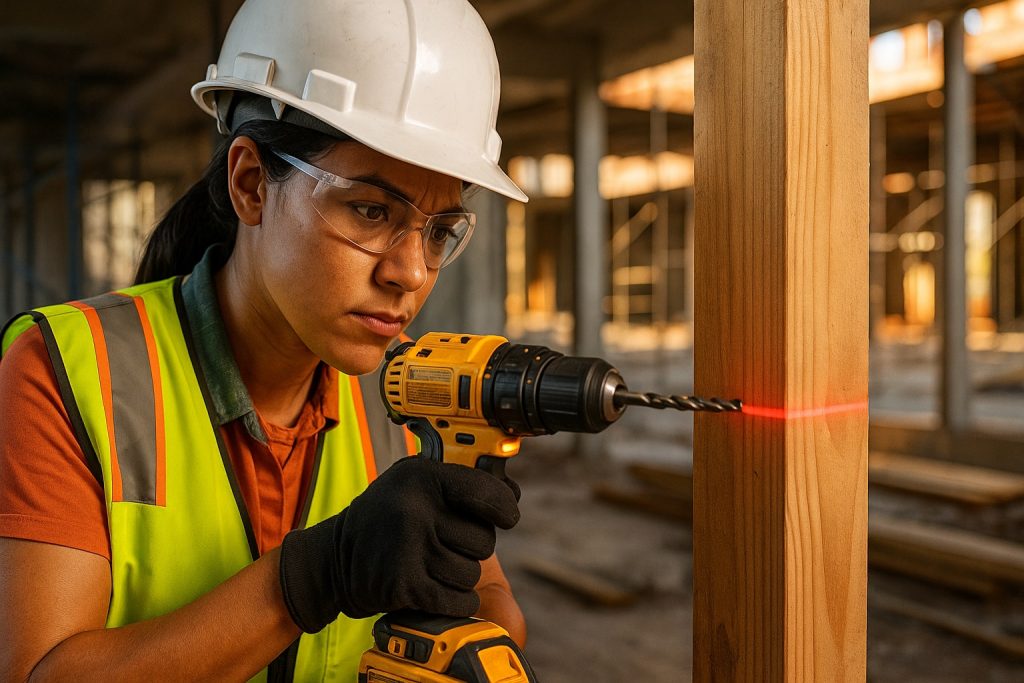
When you walk onto a construction site first thing in the morning, the contrast between crews is easy to see. One team has its construction tools neatly arranged charged batteries ready to go, sharp blades set aside, tape measures clipped on, and every piece of equipment exactly where it should be. The other team is digging through random buckets, asking around for missing drills, sharing ladders, and trying to figure out who last used the only working laser level.
Both teams are working with the same materials and the same project plans, yet their days look completely different. The organized crew moves through each task smoothly because they trust their tools and their setup. The unprepared crew starts the day already feeling behind. That small difference of having the right construction tools and being ready before the work begins often determines whether the day runs calmly or turns chaotic.
What Makes a Construction Tool “Modern” Today?
A modern tool for construction is not only about raw power or a big brand name. On today’s sites, the best construction tools help crews work faster without cutting corners, avoid silly mistakes, keep dust and noise under control, and protect the health and safety of the people who show up every morning. When you read industry news, you see stories about drones, digital twins, and smart helmets. Those things are real, but they only work well when the basics are already strong. So instead of starting with the flashiest artificial intelligence gadgets, it makes more sense to begin with the everyday gear that carries most of the load and then layer new technology on top of that solid base.
Tape Measure and Laser Distance Meter
The tape measure is probably the most common of all construction tools. It lives in pockets, tool belts, and sometimes in the mud when someone has had a very long day. A laser distance meter is its modern partner. Together, they answer many questions people have when they search, What tools do construction workers use for layout and measuring.
The tape measure is useful for quick checks on doors, windows, and short distances. The laser distance meter is better for long rooms, high ceilings, or when working alone and you can’t hold both ends. When creating your own list of tools, it’s logical to treat these two items as a pair. Look for a tape with a strong hook and a blade that doesn’t twist easily, along with a laser meter that has a clear display and enough range for your typical projects.
Spirit Level and Laser Level
If the layout is wrong, everything that follows will fight you. That is why levels sit high on any serious list of construction tools. A spirit level remains one of the essential site basics for doors, frames, windows, shelves, and short walls. It is quick, simple, and very hard to replace.
A laser level takes that same idea and stretches it across the entire room. It throws straight reference lines on walls and floors, sets heights for ceilings and tiles, and helps keep floors, steps, and countertops consistent. Many site managers quietly call it one of the most valuable devices they own because it reduces rework and arguments about what “looks level” more than almost anything else.
Chalk Line and Marking Tools
Chalk lines, markers, and lumber crayons are small construction worker tools that do a lot of heavy lifting. They help you snap straight reference lines on floors and slabs, mark cuts on boards and sheet goods, and write notes on dusty or rough surfaces where normal pens fail.
These are the tools construction crews reach for when they want everyone to see the same plan without pulling out paper drawings every ten minutes. They may not dominate construction tools news, but they quietly keep projects clear and organized.
Layout and Measuring Apps
A smartphone can now sit alongside traditional construction tools. Simple layout and measuring apps make it easy to snap a photo, mark dimensions directly on the image, store room sizes and window counts, and share clear details with the crew or client without long calls or voice messages. For foremen and site managers, these digital tools for construction work are like a notebook that never gets misplaced. They bridge the gap between construction AI tools in the office and construction worker tools in the field, keeping everyone aligned from first plan to final check.
Circular Saw
When people picture construction worker tools, the circular saw is usually part of that image. It cuts plywood, studs, joists, and rafters, and it handles quick rip cuts and cross cuts all day long. Modern cordless circular saws are strong enough to be used as primary cutting tools on many sites.
Blade size, smooth adjustment, and comfort in the hand matter most. A solid circular saw earns its place near the top of many lists of tools for construction because it keeps framing and general build work moving at a steady pace.
Reciprocating Saw
The reciprocating saw is the rough work partner in your set of construction tools. It is not about clean, perfect edges. It is about fast, safe removal. It cuts through old framing, pipes, nails, screws, and awkward sections during repairs and renovations.
If your projects often involve upgrade or demolition work, this saw will quickly become one of your best construction tools. It reaches into tight spaces and odd angles where larger saws simply cannot fit.
Angle Grinder
An angle grinder is a compact but powerful part of any serious list of tools. It cuts rebar and metal profiles, cleans welds, and grinds down rough concrete and stone. For many steel and masonry tasks, it is one of the most relied upon common construction tools on site.
Because it spins at high speed, this piece of tool construction needs respect. The right discs, proper guards, and good personal protective equipment are essential whenever it is in use.
Oscillating Multi Tool
If there is one tool that saves you in awkward little situations, it is the oscillating multi tool. It trims door frames when floor levels change, cuts neat openings around sockets and pipes, and scrapes away glue, grout, and old sealant.
Once it is added to your construction worker tools, it often becomes the first thing you grab when a small but tricky job appears. It might not be the star of construction tools news, yet it is a quiet favorite on many sites that deal with detail work.
Hammer Drill or Rotary Hammer
Concrete doesn’t care how tough a regular drill is. That’s why a hammer drill or rotary hammer is a must-have on nearly every construction tool list. It creates anchor holes in concrete, brick, and block, making it much easier to set fixings for frames, railings, and equipment. For heavier tasks, investing in SDS systems, good vibration control, and enough power for your required hole sizes is worthwhile. This is one of those construction tools that quickly pays for itself if you regularly work with masonry basis.
Impact Driver
If the hammer drill focuses on creating holes, the impact driver focuses on driving fasteners. It turns long screws and bolts into wood or metal without stripping heads or burning out motors.
Most professionals pair a standard drill with an impact driver. Together, they form the heart of many construction tools names lists because they handle such a wide range of daily tasks and make fastening work smoother and quicker.
Nailers and Framing Guns
Nailers are not suitable for every region or type of work, but where they are allowed, they can speed up framing and sheathing significantly. They help raise walls, roofs, and subfloors much faster than hand nailing alone.
Nailers come in air-powered, gas-powered, and cordless options. For small crews that move frequently, cordless nailers are ideal as mobile construction tools because they don’t require hoses or compressors to haul along with every cut and sheet.
Concrete Mixer
Concrete mixers sit at the heart of many modern construction tools setups. Mixing by hand in a wheelbarrow is slow and often inconsistent. A small mixer keeps batches uniform, reduces physical strain, and makes it easier to maintain a proper water to cement ratio. For large slabs, trucks still carry most of the volume, but for small pours, footings, and repair work, a mixer becomes one of the most valuable machines on site, supporting quality and making the pace of work much easier to manage.
Plate Compactor
Before concrete, pavers, or asphalt go down, the ground underneath must be compacted properly. A plate compactor is one of those construction worker tools that does a quiet but vital job.
It packs soil and aggregate, removes air gaps, and reduces the risk of future sinking and cracking. It may never trend in construction tools news, yet without it, even the best mix and finish cannot protect you from a failing base.
Concrete Vibrator
Fresh concrete traps air pockets, especially around rebar and inside deep forms. A concrete vibrator helps push out that trapped air and allows the mix to flow properly where it needs to go.
This leads to denser columns, beams, and slabs with fewer voids. On structural work, a vibrator is not an optional extra. It is a core part of the tools construction teams rely on to meet strength, durability, and safety expectations.
Trowels, Floats, and Screeds
Once concrete is poured, you still need tools for construction that shape and finish the surface. Screeds level the slab, floats push down aggregate and bring paste to the top, and trowls create the chosen finish, from slightly rough to very smooth.
On small projects, hand tools work well. On large floors, powered screeds and trowls save a lot of time and deliver more consistent results. These finishing items deserve a firm place on any list of tools when concrete plays a big part in the job.
Wet Dry Shop Vacuum and Dust Extractors
Dust and slurry are more than a mess; they affect health and the way clients see the finished job. A wet dry shop vacuum and proper dust extractors are modern site essentials that help keep work areas cleaner and safer. They collect water, small debris, and fine dust from cutting and grinding. In many regions, good dust control is now required, so these units have moved from “nice to have” to core construction tools on responsible projects.
Ladders and Mobile Scaffolding
Safe access might not be the most exciting topic in tool construction, but it is one of the most essential. Strong ladders and mobile scaffold towers allow crews to work at height without balancing on unsafe makeshift platforms or risky stacks. Guardrails, toe boards, and proper stabilizers reduce the risk of falls. These access items belong on serious construction tool lists because they protect workers and keep projects moving instead of stopping due to injuries.
Personal Protective Equipment
Personal protective equipment is part of every complete set of construction worker tools. Helmets, glasses, gloves, boots, hearing protection, and fall gear might not feel like “tools,” but they make it possible to use every other tool with less risk and more confidence.
Treat protective equipment as gear that deserves budget and attention, not as last minute additions. The best construction tools lose their value if the people using them do not go home safely at the end of the day.
Site Lighting and Power Distribution
Good lighting and a reliable power supply can make a tough job much more manageable. Portable LED lights, tripod work lamps, and temporary power boards allow crews to see clearly and connect equipment without dealing with tangled cables. These systems support all other tools on the site, from drills to mixers. While they may not always appear in lists of the latest construction tools, on real job sites they quietly form the backbone of efficient, high-quality work during long shifts.
AI and Digital Construction Tools
Finally, there is the new wave of AI construction tools that sit beside your physical gear. These construction AI tools include BIM and three dimensional model viewers on tablets, drones that capture site photos, and software that compares real world progress to the original plan.
Some programs track time and materials, giving you a clearer picture of cost and productivity. These AI construction tools do not replace people. They support decision making and connect office planning with field work, making the whole set of construction tools more effective and easier to manage.
Read More: What Is Industrial Construction and Why Does It Matter
Choosing and Caring for Your Tools
With so many construction tools on the market, the choice can feel overwhelming. A simple approach helps: start by listing the most common tasks, from framing and concrete work to finishing and maintenance, and build your tool list around those tasks instead of chasing every new gadget mentioned in news about tools for construction.
When possible, stick with one main battery platform so chargers and batteries match across different items. Balance price with real use, and plan where everything will be stored and transported. Clean and check equipment regularly. A quick wipe, a fast look at cords and blades, and dry storage add years of life to your tools for construction and keep them ready for the next project.
FAQs
It gives fast, precise reference lines across entire rooms or sites, reducing rework and helping teams keep floors, walls, and fittings consistent.
Often, yes. They usually offer better durability, safer performance, stronger warranties, and batteries or parts that stay compatible for years.
Clean them after every use, check cords and blades, keep vents clear, store them in dry conditions, and replace worn parts before they fail.
Buy if you use them regularly. Rent if the tool is needed only a few times a year or for specific short term projects.